RNG technology sits at the core of every spin, shuffle and deal at Bwin Casino, deciding outcomes in real time rather than relying on pre-recorded sequences. Players who comprehend how RNG works can more accurately judge the fairness of individual games, establish realistic expectations about session length and bankroll requirements, and identify when a platform is transparent about its testing procedures. The following sections review how RNG is implemented across different game types, the testing standards that apply, and the practical steps a user can take to verify that the RNG behind each title meets recognised industry criteria.
How RNG Governs Slot Outcomes
Any reel stop on a slot at Bwin Casino is produced by an algorithm that generates a fresh random number the moment the spin button is activated. The RNG output is mapped to a reel position through a predetermined internal table, so the result is separate of previous spins and cannot be influenced by timing or bet size. Because each reel uses its own RNG stream, combinations across multiple reels are statistically unrelated even when visual reels appear to stop sequentially. Players should note that the published return-to-player percentage is computed over millions of spins; short sessions can differ significantly above or below that figure without indicating any malfunction. Reviewing the help screen inside each slot shows the exact RTP figure used for that title, permitting direct comparison before committing funds.
Modern slots also utilize secondary RNG calls for bonus triggers and progressive jackpots. When a bonus symbol lands, a different random draw determines whether the feature triggers and how many spins or multipliers are granted. This tiered approach preserves the base game RTP stable while still enabling large, infrequent payouts. Bwin Casino displays the contribution of each jackpot tier to the overall RTP on the game information panel, so users can see whether a portion of every bet is reserved for the progressive pool. Understanding this allocation aids players determine whether the lower base RTP on jackpot titles is reasonable given the size of the potential top prize.
Mobile RNG Efficiency and Battery Management
Bwin Casino’s mobile application uses the same RNG libraries as the desktop site, yet the delivery method varies to handle variable network conditions. On slower connections the client requests a batch of random seeds in advance, then applies them locally while maintaining an encrypted log that is synchronized with the server once connectivity improves. This pre-fetching prevents interruptions during spins without affecting the randomness of outcomes. Users on limited data plans can deactivate the pre-fetch feature in the settings menu, causing each spin to request a fresh seed and thereby lowering background data usage at the cost of occasional loading delays.
Battery impact stems mainly from the graphics rendering rather than the RNG calculation itself, which consumes negligible processing power. However, continuous reconnection attempts on unstable networks can raise radio activity. Players who experience rapid battery drain during sessions should change to a stable Wi-Fi connection or decrease the animation quality in the app settings. These adjustments do not alter the RNG results but improve the practical experience of extended mobile play.
Player Tools for Confirming RNG Randomness
Within each game at Bwin Casino an information icon shows a panel that details the RNG provider, the testing laboratory and the date of the most recent audit. Players can verify these details on the laboratory’s public verification portal by typing the certificate number. If the portal confirms that the certificate is current and aligns with the game version installed, the RNG implementation has not been modified since the audit. This check needs under a minute and can be carried out before any significant wager.
Session history provides a second verification route. Every spin or hand is logged with a unique identifier that can be matched against the RNG seed stored on the server. Support can provide the seed value upon request, permitting technically inclined users to run an offline simulation and validate that the published outcome sequence aligns with the expected distribution. While most players will not carry out this step, the presence of the data proves that the operator does not treat RNG results as proprietary secrets.
RNG system in Table Games and Live Dealer Implementation
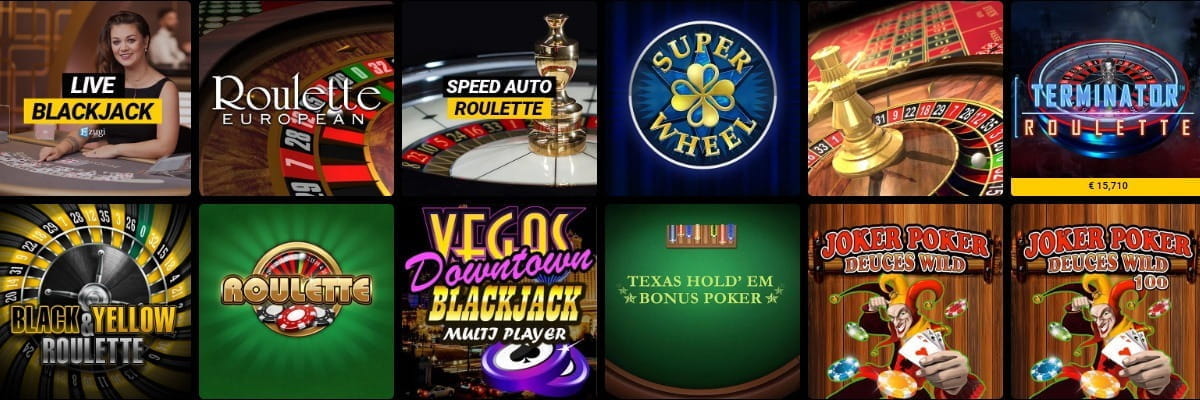
Tabletop games such as blackjack and roulette at Bwin Casino use RNG versions alongside live dealer streams. In RNG blackjack the shoe is simulated by continuous random number generation rather than physical cards, producing a new distribution each round. The shuffle occurs after every hand or at a predetermined penetration point, depending on the rules variant selected. Because the RNG replaces the physical deck, the house edge remains constant across sessions and does not shift with card counting. Players can review the exact number of decks and the dealer’s standing rules in the game lobby before placing bets, removing uncertainty about rule variations that affect expected value.
Live dealer tables combine a physical shuffle with RNG for side bets and progressive jackpots. The main game outcome is determined by the dealer’s actions captured on camera, while any optional bonus wager is settled by a separate RNG call. This hybrid model allows Bwin Casino to offer both the social atmosphere of a live table and the speed of automated side bets without compromising fairness. A player who prefers to verify outcomes can switch between the live feed and the RNG-based standard tables to compare pace and volatility within the same account balance.

Impact of RNG on Bonus Terms and Wagering
Promotional funds at Bwin Casino are bound by wagering requirements that are computed using the same RNG-driven game outcomes as real-money play https://bwincasino.app/de-de/. Because each spin or hand is unrelated, the number of bets needed to clear a bonus adheres to a statistical distribution rather than a fixed schedule. Players who choose high-volatility slots may face longer dry spells, raising the chance that the wagering target is not met before the bonus expires. Conversely, low-volatility titles yield more frequent small wins that feed steadily to the requirement but rarely trigger large payouts that could speed up completion.
The operator discloses the contribution percentage of each game category toward wagering. Slots typically contribute 100 percent, while table games and video poker represent lower percentages or are excluded entirely. This weighting is implemented automatically by the system, so a player can monitor progress in the account history without manual calculation. Examining these percentages before accepting a bonus permits users to select games that suit both their preferred volatility and the time available to meet the target.
Certification Standards and Inspection Procedures
Bwin Casino sends its RNG setups to independent laboratories that run statistical test suites encompassing uniformity, independence and unpredictability. These tests comprise the DIEHARD and NIST suites plus game-specific evaluations that replicate billions of outcomes to verify that payout distributions align with the advertised RTP. Certificates are updated at regular intervals, and any code change to a game’s RNG module initiates a fresh review. The current certificates are displayed in the footer of the site under the “Fairness” section, allowing users to retrieve the PDF reports directly from the testing body rather than trusting a summary given by the operator.
Regulatory oversight adds another layer. The licence under which Bwin Casino operates mandates that RNG systems remain isolated from the operator’s internal network, with access logs stored for a minimum period. Any detected anomaly needs to be reported within hours, and affected games are taken offline until the issue is addressed. Players can therefore consider the presence of an active licence and published audit reports as the primary indicators that the RNG has not been modified to favour the house beyond the stated mathematical edge. engere Auswahl
FAQ
Does the RNG differ when I go from desktop to mobile?
Absolutely not. The same certified RNG libraries are employed across all systems. The only variance is how random seeds are delivered to the client under varying network situations, not the underlying randomness or payout percentages.
How frequently are Bwin Casino’s RNG systems audited?
Audits occur at least once a year, with additional reviews triggered by any software update that modifies the RNG module. Certificates are displayed in the site footer and remain active until the next scheduled or event-driven inspection.
Can I ask for the RNG seed for a specific spin?
Certainly. Get in touch with support with the round identifier from your history, and they will give the seed value along with the algorithm name, enabling independent verification if wanted.
Will progressive jackpots employ a different RNG?
They utilize an additional RNG instance for the jackpot trigger, but it is tested under the same standards and factors to the overall RTP figure shown in the game rules.
Must there a minimum bet required to trigger the RNG?
The RNG activates on every spin or hand regardless of stake value. Bet size only modifies the payout amounts, not the probability of any particular result.
What happens if an audit finds an RNG fault?
The affected game is immediately halted, players are informed, and any disputed bets are assessed. The title remains offline until a new certificate is issued confirming the issue has been resolved.
Comprehending how RNG backs every outcome at Bwin Casino provides players to select games with full knowledge of volatility, contribution rates and verification choices. Checking certificates before funding, monitoring wagering progress through the account panel, and tweaking mobile settings for network conditions together create a practical routine that holds the focus on informed play rather than guesswork.